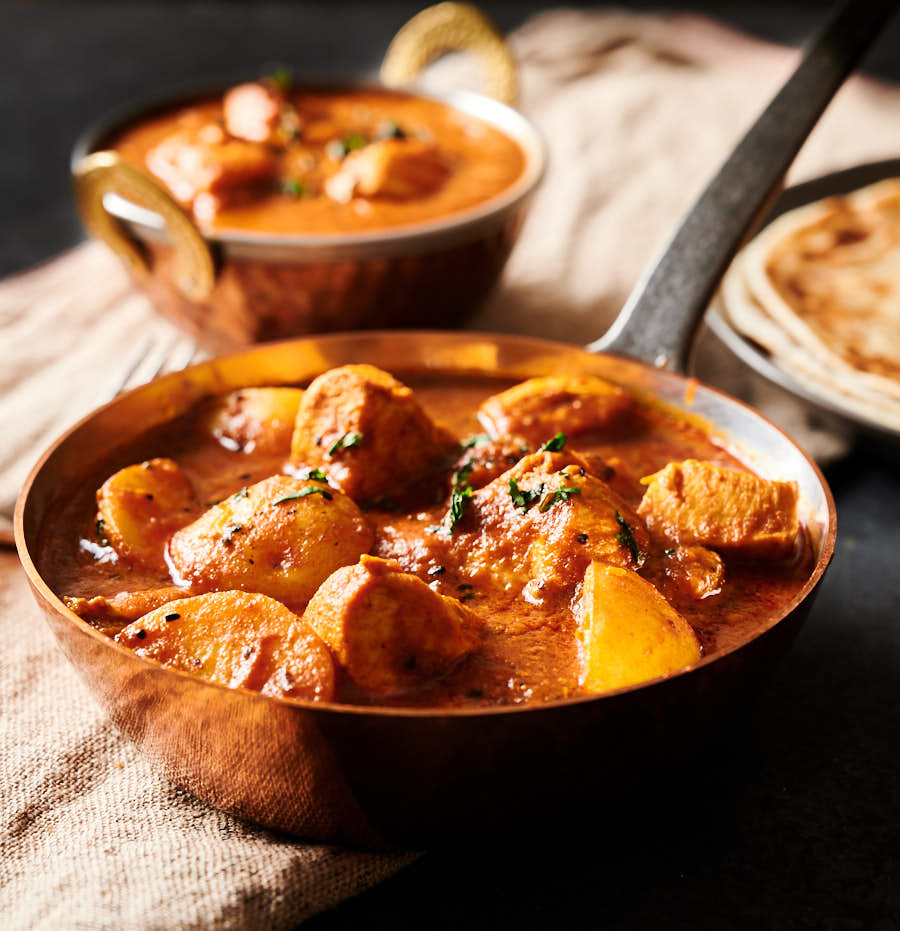
Panch Phoran: The Secret Spice Behind Restaurant Bengali Chicken Curry
The allure of a perfectly crafted curry from a top-tier Indian restaurant is undeniable. That rich, aromatic gravy, the tender meat, and a depth of flavor that seems to transcend mere ingredients. But what if we told you that one of the most exciting, yet often overlooked, culinary secrets lies in a regional Indian kitchen, specifically in the creation of a truly exceptional bengali chicken curry restaurant style? This isn't just about recreating a dish; it's about elevating a beloved home classic to a sophisticated, flavor-packed experience, all thanks to a magical five-spice blend: Panch Phoran.
While many Indian restaurant menus feature a range of chicken curries, the distinct character of a Bengali rendition, especially one crafted with a restaurant-level richness, often remains a hidden gem. It offers a profile that is at once familiar in its comfort and strikingly unique in its aromatic complexity, thanks to its signature spice blend and other carefully chosen elements. Prepare to discover the authentic taste that can transform your home cooking into an unforgettable feast.
Unveiling the "Restaurant Style" Bengali Chicken Curry
When we talk about bengali chicken curry restaurant style, it's important to clarify what "restaurant style" truly signifies in this context. Unlike many Indian curries that have become ubiquitous on menus worldwide, this particular dish isn't always prominently featured. Instead, it represents an imaginative elevation of murgir jhol, the traditional, often lighter and more soupy, Bengali home-style chicken curry. Think of it as a chef's interpretation, taking the soulful flavors of childhood and amplifying them with a professional touch to create a richer, thicker, and more intensely flavored gravy.
The distinction is significant. Traditional murgir jhol is characterized by its thinner, almost broth-like consistency, making it perfect for soaking into rice. The restaurant-style version, however, embraces a luscious, velvety gravy, brimming with depth and clinging beautifully to every piece of chicken and potato. This transformation isn't just about consistency; it's about layering flavors through precise cooking techniques and a judicious use of key ingredients. It offers that coveted balance of bold spices and comforting warmth, a symphony of tastes that discerning diners seek. For those eager to delve deeper into these unique tastes, Beyond Menus: Discover Bengali Chicken Curry's Bold Restaurant Flavors explores the nuances of this distinctive regional cuisine.
This re-imagined chicken curry shares the ethos of those incredible "staff curries" you might find in a Bangladeshi-run Indian restaurant – dishes made for the kitchen team, showcasing authentic, earthy, and robust flavors not typically found on the public menu. It’s a testament to the idea that true culinary brilliance often lies in the dishes born of heritage and passion, rather than commercial demand.
Panch Phoran: The Heartbeat of Bengali Flavors
At the very core of what makes a bengali chicken curry restaurant style truly special is Panch Phoran. This aromatic spice blend, whose name literally translates to "five spices," is the undisputed signature of Eastern Indian and Bangladeshi cuisine. If you haven't encountered it before, you're not alone; its widespread recognition outside these regions is surprisingly limited, yet its impact on flavor is nothing short of transformative.
Panch Phoran is typically a blend of whole, ungrounded seeds, each contributing a distinct note to the overall harmony:
- Fenugreek Seeds (Methi Dana): Imparts a slightly bitter, earthy aroma that adds complexity and depth.
- Cumin Seeds (Jeera): Offers warm, earthy, and somewhat nutty undertones, a familiar base in many Indian dishes.
- Mustard Seeds (Shorshe): Provides a pungent, sharp kick that invigorates the palate, characteristic of Bengali cooking.
- Nigella Seeds (Kalonji): Often called "black cumin," these have a unique, onion-like, slightly bitter, and smoky flavor that is truly distinctive. You might not find these at your regular grocery store, but they are essential.
- Fennel Seeds (Mouri): Brings a delightful sweet, anise-like fragrance, adding brightness and a subtle counterpoint to the stronger spices.
The magic of Panch Phoran lies in its tempering. When these whole seeds are gently bloomed in hot oil at the beginning of the cooking process, they release their individual aromatic compounds, creating an intricate fragrance that serves as the backbone of the curry. It’s not just a blend of spices; it’s a flavor event, offering a surprising depth and character that is both distinctive and incredibly addictive. It's the secret weapon that elevates the chicken and gravy, infusing them with an unparalleled authenticity and zest.
Crafting the Signature Gravy: Beyond the Spices
While Panch Phoran lays the aromatic foundation, achieving that coveted rich, thick gravy characteristic of a bengali chicken curry restaurant style requires attention to other key elements and cooking techniques. It's a symphony where every instrument plays a vital role:
Essential Aromatics and Foundations:
- Garlic and Ginger: These form the aromatic bedrock of nearly any Indian curry. In Bengali cuisine, a generous use of fresh ginger and garlic paste provides a pungent, warming depth that complements the distinctiveness of Panch Phoran.
- Potatoes: A non-negotiable ingredient in traditional Bengali chicken curry, and equally vital here. Cut into rustic chunks, potatoes absorb the rich flavors of the gravy beautifully, adding a comforting texture and helping to naturally thicken the sauce as they break down slightly during slow cooking.
- Mustard Oil: A true game-changer. While optional for some, a 50/50 blend of mustard oil and a neutral vegetable oil imparts a uniquely sharp, pungent flavor that is deeply authentic to Bengali cooking. This distinctive note provides another layer of complexity that sets the dish apart.
Building the Gravy for Restaurant-Style Richness:
The process of building the gravy is crucial. After tempering the Panch Phoran, the skilled addition of finely chopped onions (cooked until deeply caramelized for sweetness and color), ginger-garlic paste, and a carefully balanced mix of ground spices (turmeric, chili powder, cumin, coriander) creates the initial flavor base. Browning the chicken pieces adds depth and ensures they hold their shape while remaining tender.
The secret to the restaurant-style richness often lies in slow, patient cooking. Allowing the ingredients to simmer gently, coaxing the flavors to meld and deepen over time, is paramount. Unlike a quick, thin murgir jhol, this version benefits from a longer reduction, allowing the liquids to evaporate and the oils to separate slightly, creating that glossy, rich consistency. Some chefs might even use a "restaurant mix powder" – a pre-blended concoction of seven or more spices – to streamline the process without compromising on the intricate flavor profile, a trick that saves time in a busy kitchen while ensuring consistent, bold taste. To master this technique and achieve perfect results every time, explore Master Restaurant-Style Bengali Chicken Curry: Rich Gravy & Big Flavors.
Tips for Mastering Your Bengali Chicken Curry
To truly unlock the potential of your bengali chicken curry restaurant style, consider these practical tips:
- Source Quality Spices: While Panch Phoran is available pre-mixed, consider buying the individual whole spices and blending them yourself. This ensures freshness and allows you to customize ratios slightly. Freshly ground cumin and coriander (if not using a restaurant mix) will also make a significant difference.
- Temper Panch Phoran with Care: Heat your oil (or mustard oil blend) gently. Add the Panch Phoran and let it sizzle and crackle for about 30-60 seconds until fragrant. Be careful not to burn the spices, especially the mustard and nigella seeds, as this can lead to bitterness.
- Don't Rush the Caramelization: Browning onions deeply and slowly is key to a rich, sweet gravy. This process, known as "bhuna," extracts maximum flavor and color, forming the foundation of a truly complex sauce.
- Embrace the Potatoes: Don't skip the potatoes. They are integral to the dish, absorbing the gravy's flavors and adding a wonderful textual contrast to the tender chicken. Cut them into substantial pieces so they don't disintegrate entirely.
- Adjust Gravy Consistency: For a true restaurant-style curry, aim for a thicker gravy. Add water gradually as needed during simmering, and allow the curry to reduce until it reaches your desired consistency. A little patience here pays off immensely in richness.
- Taste and Adjust: Always taste your curry before serving. A pinch of sugar can balance the spices and acidity from tomatoes (if used), while a touch more salt or a fresh green chili can elevate the flavors further.
Conclusion
Embarking on the journey to create a bengali chicken curry restaurant style is a deeply rewarding culinary adventure. It's about moving beyond the expected and discovering the profound depths of regional Indian cuisine. At its heart lies the humble yet powerful Panch Phoran, a spice blend that single-handedly distinguishes this curry with its unique aromatic signature.
By understanding the nuances of tempering these five seeds, appreciating the role of potatoes and mustard oil, and mastering the art of building a rich, slow-cooked gravy, you can transform a simple chicken curry into a restaurant-quality masterpiece. This dish isn't just a meal; it's a celebration of Bengali culinary heritage, an invitation to explore bold flavors, and a testament to the fact that the most exquisite secrets are often hidden in plain sight. So go ahead, unlock the magic of Panch Phoran and bring the vibrant, earthy, and utterly delicious flavors of authentic Bengali chicken curry into your home kitchen.
