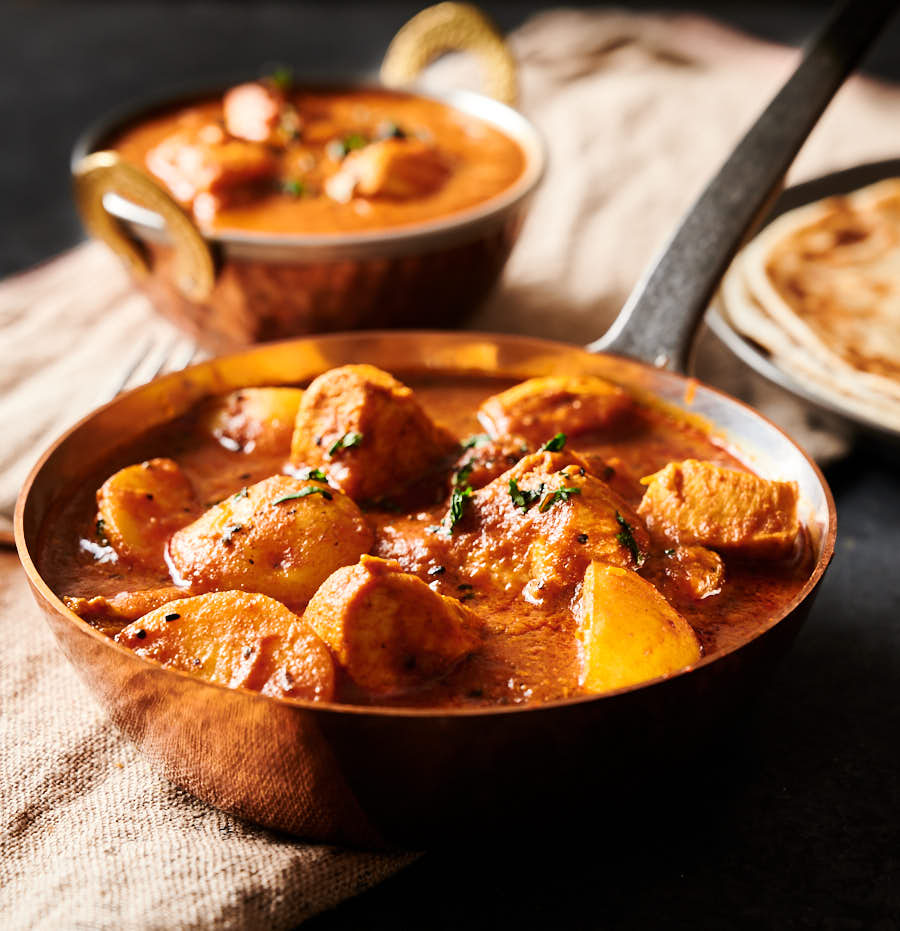
Beyond Menus: Discover Bengali Chicken Curry's Bold Restaurant Flavors
There's an undeniable allure to restaurant dining – the promise of flavors perfected, textures refined, and a culinary experience elevated beyond what we often achieve in our home kitchens. While many classic dishes make their way onto standard menus, some of the most captivating culinary creations remain a chef's secret, a hidden gem often reserved for staff meals or special occasions. One such treasure is the phenomenon of Bengali chicken curry restaurant style – a dish that takes the comforting flavors of Bengali home cooking and transforms them into something truly spectacular, rich, and intensely flavorful, yet surprisingly elusive on typical restaurant offerings.
This isn't your everyday Indian takeaway fare. This is a bold, re-imagined version of a beloved classic, delivering a depth of taste and a luxurious gravy that will redefine your expectations of chicken curry. It’s familiar enough to comfort but distinct enough to thrill, blending authentic Bengali spices with a sophisticated restaurant-style execution that deserves a spotlight of its own.
The Allure of Restaurant-Style Bengali Chicken Curry
What exactly sets a bengali chicken curry restaurant style apart from its humble origins? The key lies in its transformation. Traditional Bengali chicken curry, known colloquially as murgir jhol, is often a more rustic, soupy affair. It's designed to be comforting, a staple enjoyed with rice, where the thinner gravy readily coats each grain, offering a lighter, more fluid experience.
The restaurant-style iteration, however, elevates this concept. Imagine a gravy that is lusher, thicker, and clings to every piece of tender chicken and soft potato. This richness is achieved through careful layering of aromatics, precise spice blending, and often a slightly different cooking technique that concentrates the flavors and creates that coveted velvety texture. While murgir jhol offers a delightful, almost brothy comfort, the restaurant-style version aims for a more opulent mouthfeel and a pronounced aromatic punch. It’s a chicken curry that speaks volumes with its intensity and refined presentation, even if it's currently an unsung hero on most dining scenes.
This culinary "riff" on a classic childhood dish isn't about reinventing the wheel entirely; it's about polishing it until it gleams. It retains the heart and soul of Bengali flavors – the distinctive spices, the essential potatoes – but presents them in a way that truly sings on the palate, delivering the "big tastes" you expect from an expertly crafted restaurant dish.
Unpacking the Signature Flavors: What Makes it Bengali?
The magic of bengali chicken curry restaurant style lies in its distinctive aromatic profile, built upon a foundation of key ingredients that sing in harmony. Don't let a seemingly short ingredient list fool you; the complexity is profound, a testament to the power of well-chosen spices.
Panch Phoran: The Soul of Bengali Cuisine
At the heart of any authentic Bengali dish, especially its chicken curry, you’ll find panch phoran. This unique five-spice blend is the secret weapon, lending an unparalleled aroma and flavor that immediately transports you to Eastern India and Bangladesh. If you haven't encountered it before, prepare for a revelation. Unlike many ground spice blends, panch phoran is a mix of whole seeds, typically consisting of:
- Fenugreek seeds: A slightly bitter, earthy note.
- Cumin seeds: Warm, aromatic, and slightly sweet.
- Mustard seeds: Pungent and sharp, essential to Bengali cooking.
- Nigella seeds (kalonji): A unique onion-like flavor, often described as peppery and smoky.
- Fennel seeds: Sweet, anise-like, providing a delicate finish.
These whole spices are typically tempered in hot oil at the beginning of the cooking process, allowing their individual flavors to bloom and infuse the oil, laying a crucial aromatic foundation. This distinctive blend is what truly makes a Bengali curry special and gives it an edge that differentiates it from other regional Indian curries. To truly understand its impact, explore our deep dive into Panch Phoran: The Secret Spice Behind Restaurant Bengali Chicken Curry.
The Essential Aromatics and Staples
- Ginger and Garlic: These foundational aromatics are ubiquitous in Indian cooking, but in Bengali cuisine, they form a robust base, often used in generous quantities to build a complex flavor profile.
- Potatoes: An absolute non-negotiable! Potatoes are an integral part of traditional Bengali chicken curry. They soak up the rich gravy, adding a delightful texture and making the meal more substantial. Their presence is a hallmark of authenticity in both home-style and bengali chicken curry restaurant style preparations.
- Mustard Oil: For an truly authentic touch, mustard oil is highly recommended. Its pungent, distinct flavor adds a specific kind of warmth and depth that vegetable oil alone cannot replicate. While some find its strong aroma intimidating, a 50/50 blend with vegetable oil can introduce its unique character more gently. When using mustard oil, it's crucial to heat it until it just begins to smoke (its smoking point is high, so be careful), then let it cool slightly before adding other ingredients. This process, known as "tempering," mellows its sharpness and extracts its best flavors.
- Subtle Sweetness and Heat: A hint of sugar can balance the spices beautifully, while green chilies provide a fresh, vibrant heat that complements rather than overpowers. A touch of cinnamon can also add a subtle warmth.
From "Murgir Jhol" to Restaurant Elevation: A Culinary Journey
The journey from the runny, comforting murgir jhol to a luscious bengali chicken curry restaurant style is a testament to culinary ingenuity. It’s about transforming homely simplicity into sophisticated richness, often through techniques that streamline flavor development without compromising authenticity.
While home cooks might spend time measuring out individual spices, restaurants often rely on pre-mixed blends, sometimes referred to as "restaurant mix powder" or a more complex spice blend beyond just panch phoran. This efficiency allows for consistently bold and intricate flavors without the time-consuming process of individual spice preparation. This doesn't mean the flavors are compromised; rather, they are often intensified and harmonized through expert blending.
The richness of the gravy is another distinguishing factor. Achieving that thick, clingy texture in a bengali chicken curry restaurant style often involves methods like thoroughly caramelizing onions, using puréed tomatoes or even a small amount of yogurt to emulsify the sauce, and allowing the curry to simmer and reduce for an extended period, concentrating the flavors and thickening the consistency naturally. This creates a gravy that envelops the chicken and potatoes, making each bite a burst of concentrated flavor.
Home cooks can replicate this restaurant-quality transformation by focusing on a few key areas: don't rush the caramelization of your onions, ensure your ginger-garlic paste is fresh, and allow the spices ample time to bloom in the hot oil before adding the main ingredients. The patience applied during these initial steps will pay dividends in the final depth of flavor and texture of your gravy. For a comprehensive guide on achieving this at home, check out Master Restaurant-Style Bengali Chicken Curry: Rich Gravy & Big Flavors.
Why You Should Seek Out or Make Restaurant-Style Bengali Chicken Curry
For those who consider themselves adventurous eaters or simply crave something truly exceptional beyond the usual Indian restaurant offerings, bengali chicken curry restaurant style is a culinary revelation waiting to be discovered. It’s a dish that stands apart, providing a unique flavor profile that is both distinctive and profoundly satisfying.
If you're accustomed to richer, thicker curries, this version of Bengali chicken curry will feel familiar in its luxuriousness but strikingly different in its specific spicing. The combination of panch phoran with other warm aromatics creates a symphony of tastes that is earthy, subtly sweet, and wonderfully pungent all at once. It’s a dish that challenges your palate in the best possible way, inviting you to explore the nuances of Bengali cuisine that are often overlooked.
Whether you find a restaurant brave enough to feature this hidden gem on their menu or decide to embark on the rewarding journey of making it at home, the experience promises to be memorable. Creating a restaurant-quality dish in your own kitchen offers an immense sense of accomplishment and a direct connection to the authentic, bold flavors that define this remarkable curry. It's an opportunity to taste history, culture, and culinary expertise all in one exquisitely flavorful bowl.
Conclusion
The allure of Bengali chicken curry restaurant style lies in its compelling blend of tradition and elevation. It takes the cherished, comforting flavors of Bengali home cooking and refines them into a dish with a lush, rich gravy and a bold, unforgettable spice profile, anchored by the unique aroma of panch phoran and the pungency of mustard oil. While it might be a hidden secret on many restaurant menus, its distinctive character and profound depth of flavor make it a culinary experience well worth seeking out or mastering in your own kitchen. Step beyond the familiar and discover the extraordinary taste of Bengali chicken curry – a true testament to the vibrant and diverse culinary landscape of Eastern India and Bangladesh.
